The real landed cost: why cheap freight isn't cheap
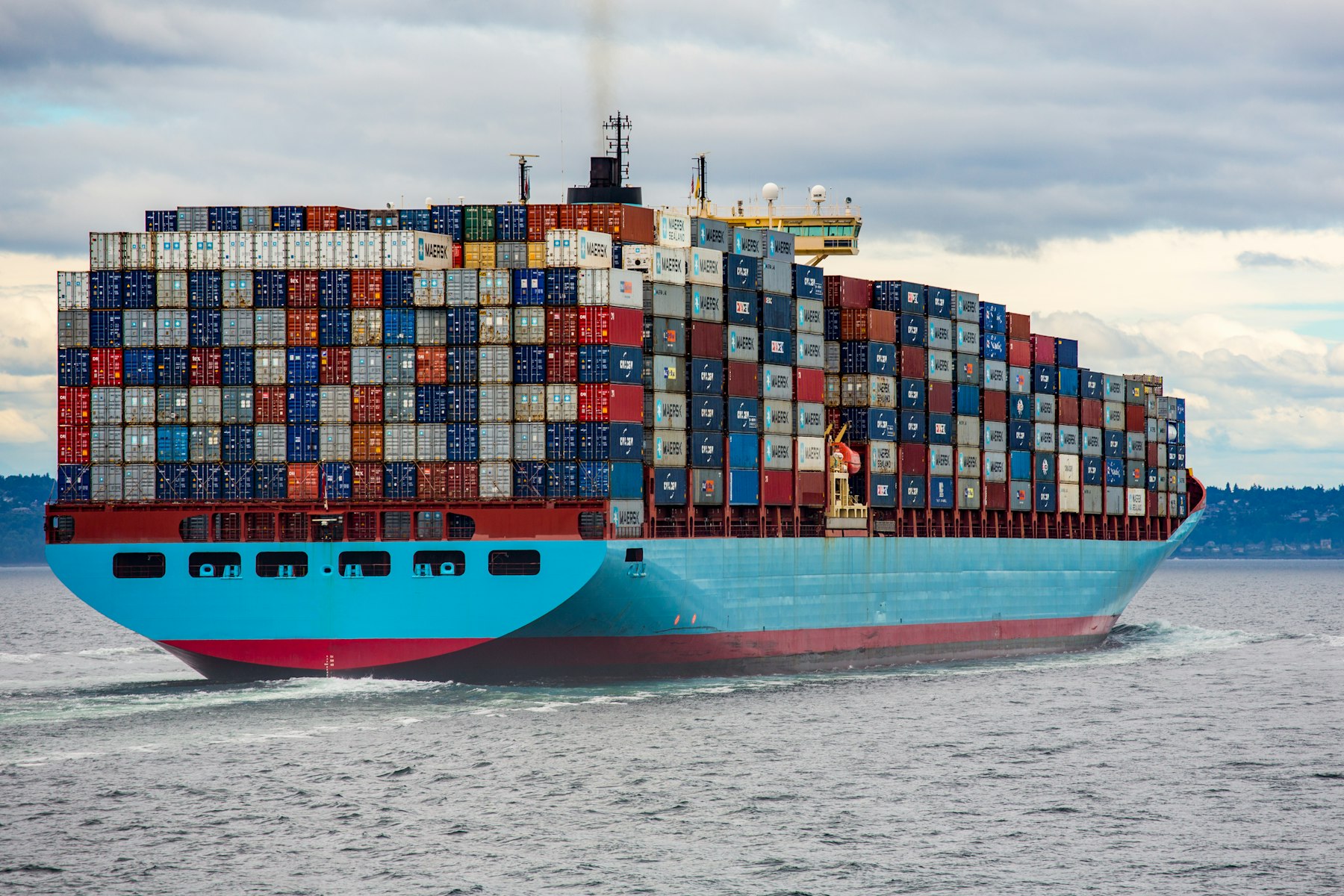
A good product with bad logistics is still a bad project. And the most common way logistics goes bad is simple: the buyer compares headline freight prices, picks the cheapest, and meets the real bill at the destination port — when the goods are already on the water and there is no way back.
The headline price is not the price
A freight quote that looks 40% cheaper than the others is usually not cheaper. It is structured differently. The savings you see at origin reappear at destination as terminal handling charges, delivery order fees, container cleaning, documentation fees, currency adjustment factors, and a dozen other line items that were never mentioned in the WhatsApp quote.
This is not an accident. It is a business model. The forwarder wins the booking with a low headline number, and recovers the margin at the destination — where you have no choice but to pay, because your cargo is sitting at the port accumulating storage charges by the day.
Cheap shipping that hides destination charges is not cheap. It is just creative accounting with a container attached.
Landed cost is the only number that matters
The unit price on the invoice is an ingredient, not the answer. The real question is: what does one unit cost when it is standing in your warehouse, customs-cleared, ready to sell? That number includes:
- Ex-works product price
- Inland transport in China and export clearance
- Ocean or rail freight — with the surcharges named
- Destination charges — terminal handling, delivery order, port fees
- Customs duty and VAT in the destination market
- Customs brokerage and inspection fees
- Final-mile delivery
Two offers with identical unit prices can differ by 20% or more in landed cost. And a supplier whose unit price is 5% higher can easily be the cheaper deal once terms and routing are compared properly.
Incoterms decide who pays for surprises
FOB, EXW, CIF, DAP — these are not formalities on a proforma invoice. They decide exactly where the seller's responsibility ends and yours begins, who books the freight, who insures the cargo, and who absorbs the surprises.
A classic trap: the supplier offers CIF at a suspiciously friendly price. The seller controls the freight booking, chooses the forwarder — and the destination charges arrive inflated, because the seller's forwarder shares the recovered margin. The "free" shipping was pre-paid by you, at the port, with interest.
How to read a quote like an operator
- Demand all-in quotes to your door, broken into origin / freight / destination blocks — then compare blocks, not totals.
- Ask for destination charges in writing, itemized, before booking. Silence is an answer.
- Check the HS code early. The duty rate belongs in your calculation before the order, not after clearance.
- Model the route, not just the price. Transit time, transshipment risk and port congestion are costs too — they just arrive later.
Where we come in
Caerus supports freight planning, shipping coordination, customs documentation, and delivery-route evaluation — comparing quotes with the destination charges on the table, coordinating HS codes, reviewing packing lists and invoices, and tracking the delivery to the door. We look beyond the headline freight price, because that is where the real price lives.
Comparing freight quotes right now
Send them over. We will tell you what the landed cost actually looks like — before you book.